


-

- Magazine
-
Articles
70 years of frozen food: How an Anuga premiere changed diets
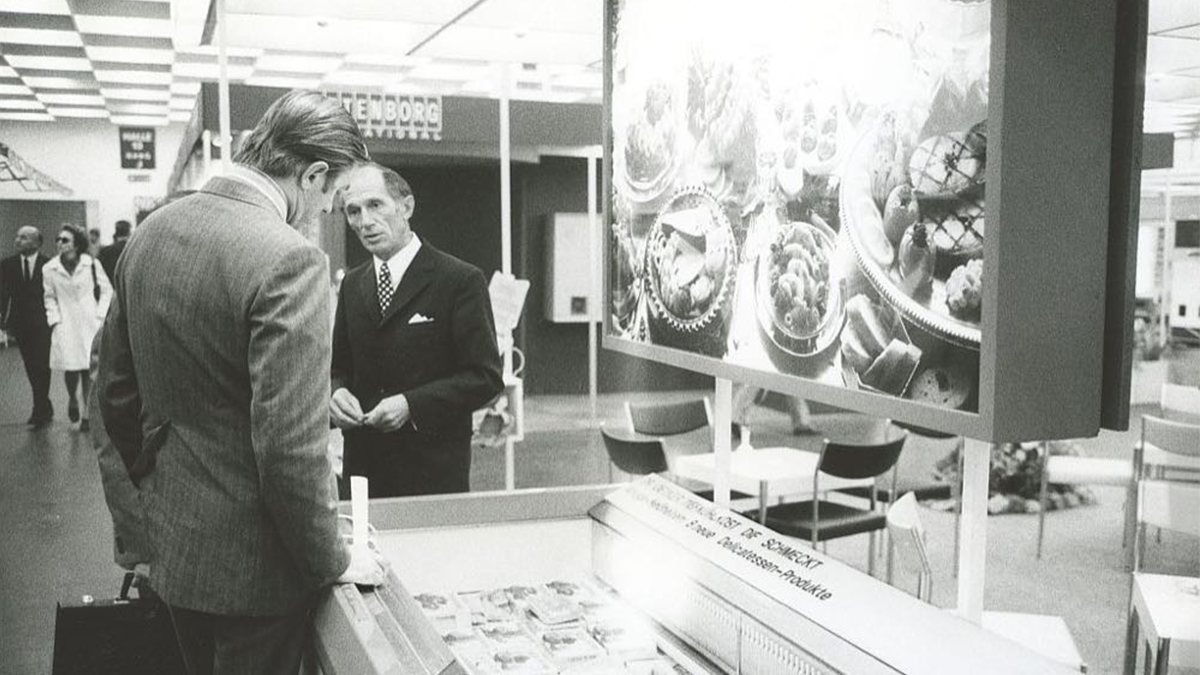
70 years of innovation: A conversation about the frozen food transformation
To mark this anniversary, we talked to Nina Kollas, Director of Communications at the German Frozen Food Institute (dti). We looked back at the early days and ahead to the future of an industry that continually reinvents itself. What has changed? What trends are shaping the frozen food world of today and tomorrow? And what role does Anuga 2025 play here?
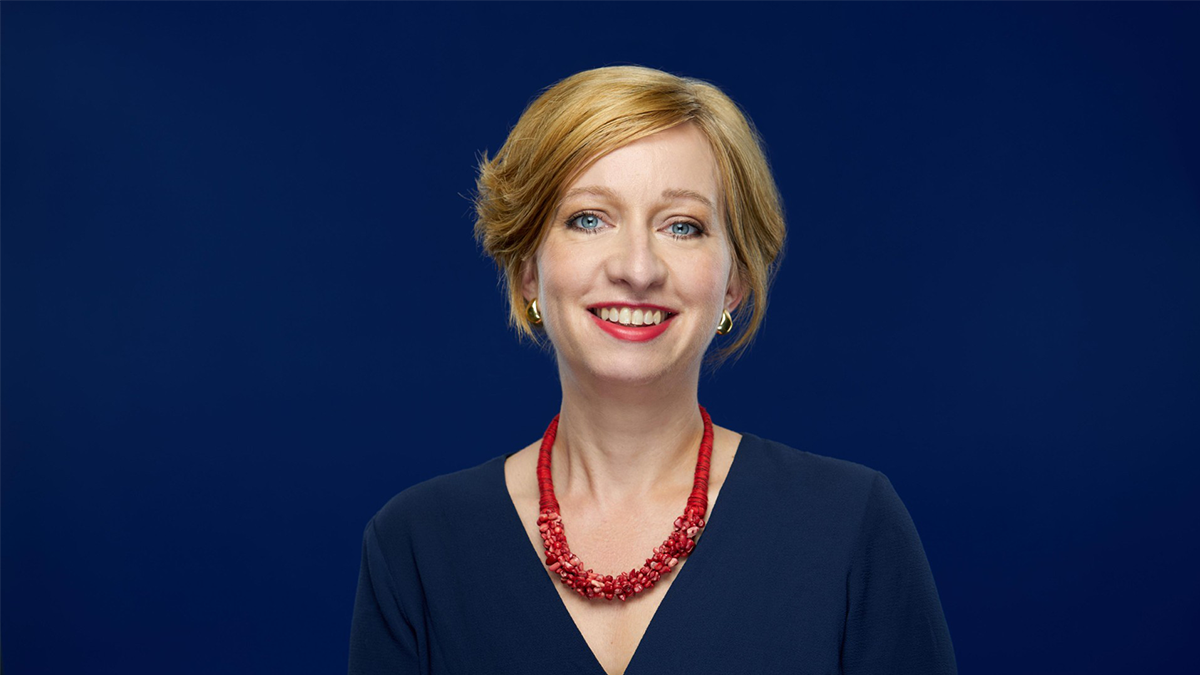
Nina Kollas (dti) about 70 years of frozen food in the Germany food retail sector and the future of the frozen food industry ©German Frozen Food Institute/Frank Nürnberger
Mrs. Kollas, the German Frozen Food Institute has been representing the industry as the leading association for decades. What is different today compared to 70 years ago – and what has stayed the same?
Nina Kollas: "70 years ago the focus was on the fascination for a technological breakthrough: Delicious food that can be preserved for a long time using the natural process of shock freezing, and yet still tastes fresher than fresh, is full of vitamins, aromas and taste. Today frozen food stands for much more: It is a key to more sustainability, less food waste and a modern, varied and balanced diet. The basic principle is what remains the same: Naturally preserved food that is reliably available, safe, of highest quality and simple to prepare.
What has changed significantly is the immense variety and high level of innovation of the products: from plant-based to international cuisine, through to gourmet solutions. The expectations in sustainability, energy efficiency and climate friendliness have also grown. The industry is actively addressing these challenges. The German Frozen Food Institute accompanies this transformation as a platform, driving force and voice of the entire value chain."
Frozen food was presented to a wide audience for the first time in 1955 at Anuga. What does this anniversary mean for the industry?
Nina Kollas: "The '70 years of frozen products in the German trade' anniversary demonstrates impressively how successfully a once revolutionary idea has established itself as a fixed and highly appreciated part of everyday life and food culture. A reason to celebrate, but also a moment for reflection. Frozen products have proved over seven decades that they can always be reinvented: from classic home cooking, food service and communal catering or home and delivery services through to vegan, innovative trend products for every occasion.
We are convinced that innovation, quality and flexibility are the keys to long-term success. To this end, the manufacturers always have their ears close to the ground regarding the consumer's needs. They know exactly what is wanted today, what will be hip tomorrow and develop the corresponding products. The anniversary at Anuga underlines the fact that sustainable food systems can't do without reliable and resource-saving solutions such as frozen food. Extending this role further is both an aim and an obligation for the frozen food industry.
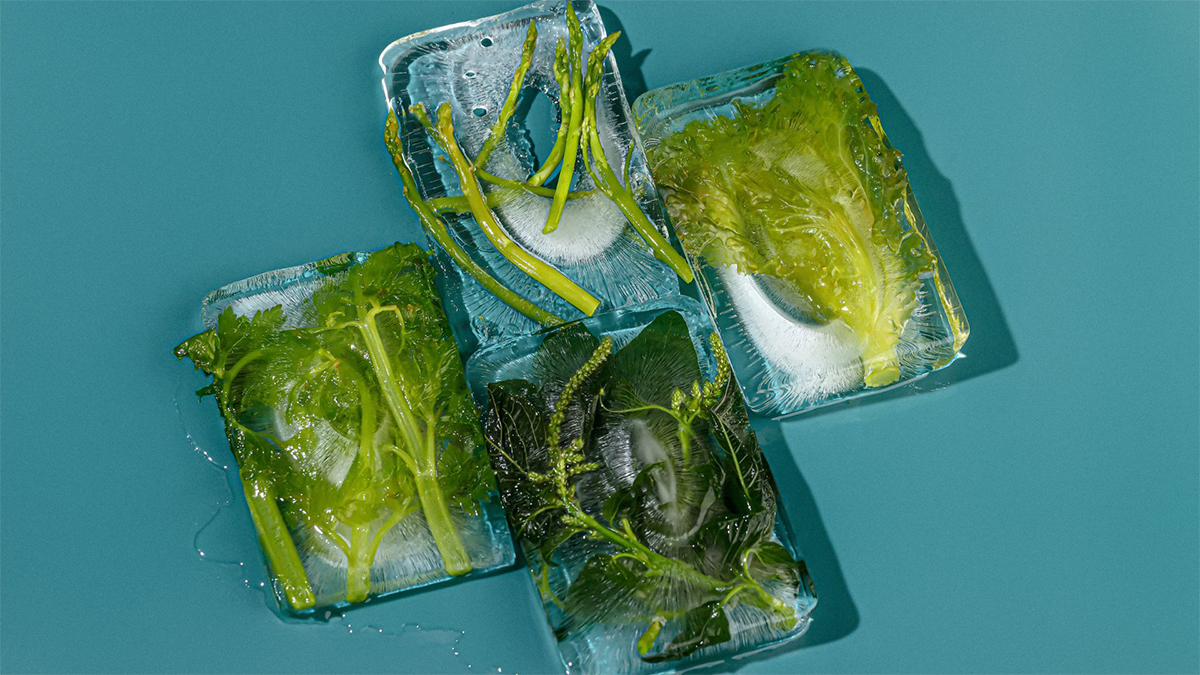
Frozen food: Frozen vegetables ©textbest | Canva Pro
Modern refrigeration technology is essential for guaranteeing quality and safety. What do you consider to be the most important developments and how can we strike a balance between energy efficiency and security of supply?
Nina Kollas: "Modern refrigeration technology is highly efficient, reliable and climate-friendly today. The frozen food industry is part of the solution, for example, when it comes down to reducing food waste and emissions. The industry has been investing in new technologies for years, natural refrigerants. intelligent control systems and improved processes. The companies are consistently pursuing climate goals and are working on reducing the carbon footprint along the entire cold chain. And: The climate footprint of frozen food is on a par with others forms of food as verified by the Öko-Institut e.V. The energy requirement for storage and transport is often overestimated. The products particularly contribute towards saving resources due to their long shelf lives and low level of food waste. Sustainability is not merely an obligation for the frozen food industry today, it is indeed an innovation driver regarding not only the products, but also the logistics and technology.
Frozen food is much more than just pizzas and chips. How has the consumers' perception changed and which trends or product ranges are currently surprising you?
Nina Kollas: "From a quick snack through to modern food for every situation in life, gluten-free, vegan or inspired by the cuisine of far-away countries: According to YouGov, 96 percent of all households in Germany buy frozen products and with good reason too. The overall sales of frozen food increased in 2024 up to over four million tonnes, as our sales statistics shows. In the food retail trade, the turnover of frozen food exceeded the two million tonne mark for the first time. The per capita consumption of frozen food rose to a record value of 50 kilogrammes, whilst the consumption per household hit the 100-kilogramm mark for the first time.
In spite of this immense popularity, there is nevertheless still the need for education, the benefits of frozen food have to be underlined more clearly. I find the innovation dynamics of plant-based products especially exciting – whether vegan fish fingers, vegetable bowls or protein desserts. The comeback of classic dishes with modern recipes also demonstrates how versatile our category is. Frozen food remains to be a reflection of individual eating habits, from everyday heroes to food trendsetters."
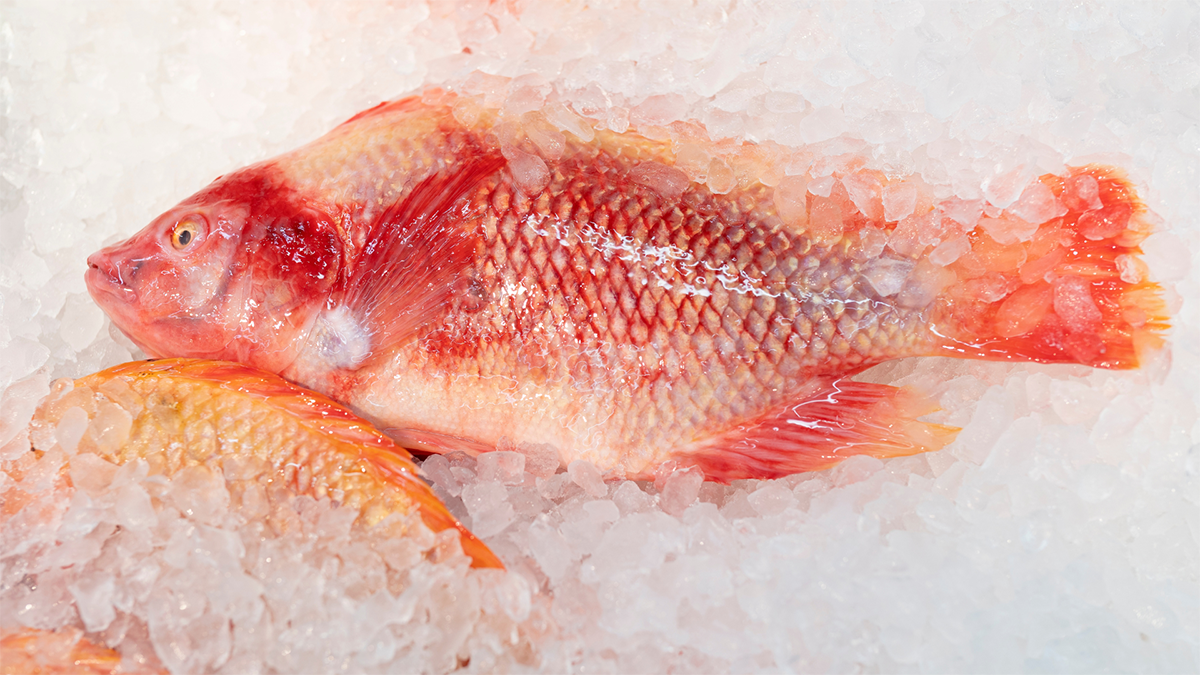
Frozen food: Fish on ice ©textbest | Canva Pro
Innovations in refrigeration involve high investments. How can smaller companies remain future-proof and what political framework conditions are necessary here?
Nina Kollas: "Remaining future-proof demands investments, also in refrigeration, digitalisation and sustainability. This is a challenge for smaller and medium-sized companies. This makes reliable company-friendly framework conditions such as competitive energy costs and the reduction of bureaucracy all the more important. Policymakers can set important impulses here – for example by having an open attitude towards technology and through high planning security. The industry needs relief in order to continue working efficiently and sustainably. However, it is decisive that sustainability is not just conceived as being a regulatory requirement, we need economically viable solutions that are both sustainable and competitive. To achieve this, as well as taking a differentiated look at the entire value chain, political appreciation for the huge potential of the frozen food industry and its excellent products is required as well as the corresponding support from the legislators."
What are your expectations of Anuga 2025? Which trends and technologies are under focus and what should the visitors take home with them?
Nina Kollas: "Anuga is a highlight - as an innovation show, industry meeting place and platform for exchange. The dti is a partner of Anuga Frozen Food, the most important international trade fair for frozen food products. Our stand (Hall 4.2, B011 C010) always attracts guests from all over the globe and our events are true industry highlights:
On 6 October we will present the TIEFKÜHLSTAR to the best frozen food departments in Germany. On 7 October, the International Frozen Food Conference, organised by the International Frozen Food Network (IFFN), the network of the leading international frozen food organisations and the Global Cold Chain Alliance (GCCA), will outline the role of the frozen food industry in sustainably guaranteeing the security of supply and will state the industry's demands regarding international trade policies. Following that we will distinguish outstanding innovations from the frozen food industry with the FROZEN! dti Innovation Award supported by AFC and Anuga.
Anuga demonstrates time and time again how versatile the future category frozen food is: international, inspiring, innovative. Frozen food provides answers to many future questions - from climate protection and food trends, through to the digital transformation. Frozen products are modern, multifaceted and future-oriented – for the consumers, for the retail trade and food service sector alike."
If we look at frozen foods in ten, twenty or even a further 70 years' time: What will have changed essentially? And what, do you think, will always stay the same?
Nina Kollas: "In ten, 20 or 70 years' time, a lot will have changed – the products, the technology, the expectations. But one thing will stay the same: the key strengths of frozen products, namely the taste, reliability, freshness, quality, safety and sustainability all rolled into one. The product ranges will become more individual, more international and will focus more strongly on health and the climate. Artificial intelligence will continue to be implemented more and more in the product development and it will further improve the quality control. Automation and robotics will change the production and the preparation in the kitchens.
But the core elements will remain: Keeping fresh food naturally preserved and retaining its taste, its unmistakable aroma and precious nutrients in the process. Frozen food truly is a future category! And its triumphant march that began 70 years ago in Germany, is far from over."
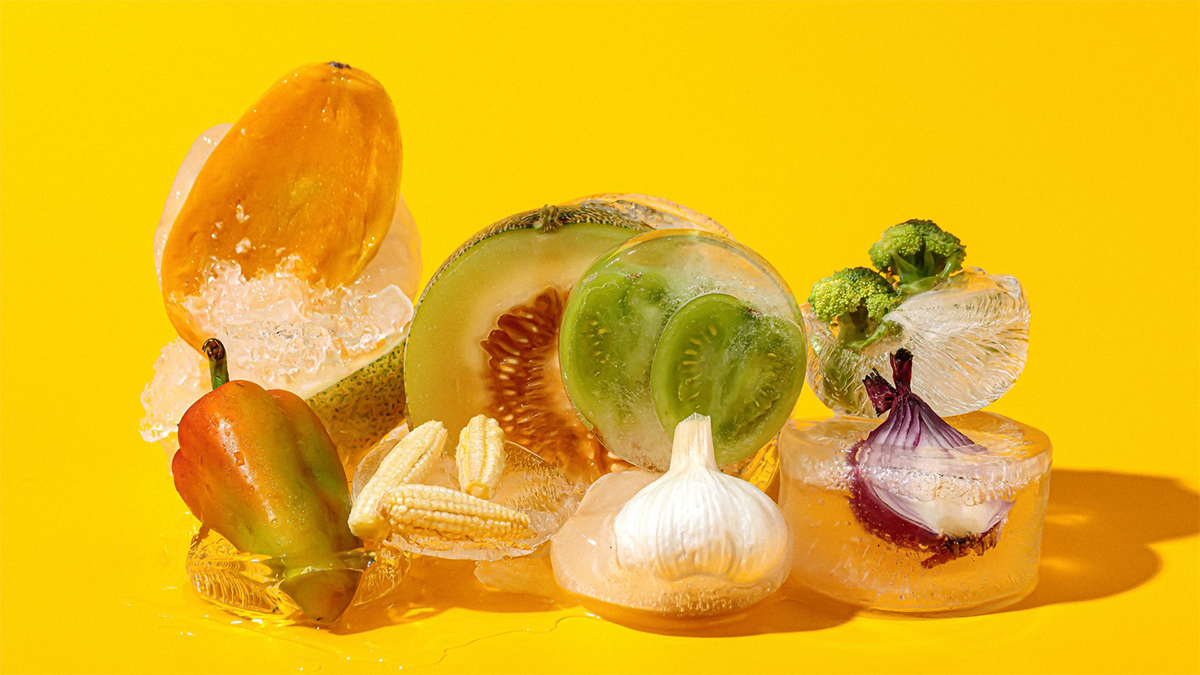
Frozen food: Fruit and vegetables ©textbest | Canva Pro
Frozen food as the key to a sustainable diet
70 years after its premiere at Anuga, the frozen food industry is proving more innovative, sustainable and versatile than ever before.
What once began as technological progress is a key theme for modern food systems today. Shock frozen, but not standing still – frozen food combines technological efficiency with social responsibility: It helps reduce food waste, conserve resources and reliably provide consumers with fresh, high-quality products.
With a view towards Anuga 2025 it becomes clear: The frozen food industry not only has a long history, it also provides important solutions for the future of our food system.

Anuga Frozen Food
Frozen food and ice cream products are represented at the food trade fair Anuga Frozen Food. Here, especially food innovations from the segment of frozen meals are presented to trade visitors. Discover this fast growing segment at the Anuga Frozen Food trade show.