-

- Magazine
-
Articles
How Savor is redefining fat production
Sustainable fats for a growing world population
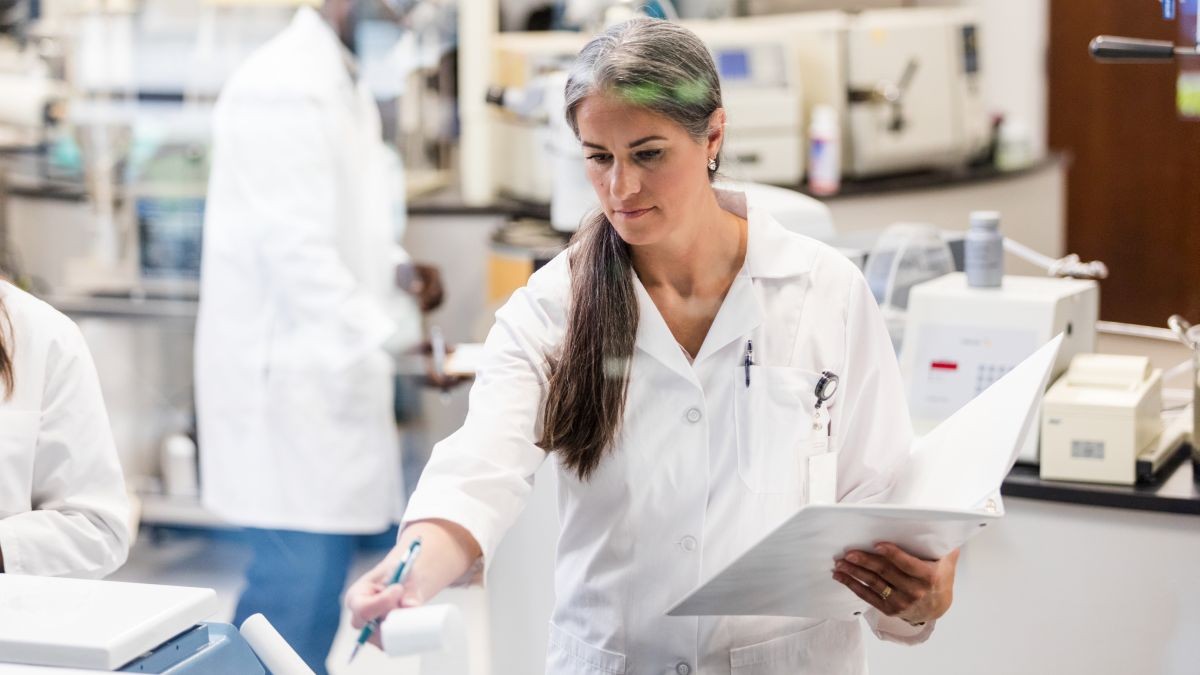
The challenge is well-known: The global demand for fats - whether butter, oils or dairy products - is rising, while agricultural land, water resources and climate impact are coming under increased pressure. This is where Savor comes in to play.
The company's mission is clearly defined: To produce fats that offer the same taste and functionality as conventional products, but which are considerably more resource-efficient.
The technology: Thermochemistry instead of agriculture
Whilst most alternatives rely on fermentation or cell-based processes, Savor pursues a thermochemical approach. This uses carbon sources like CO₂ or methane as well as green hydrogen to produce fat acids and subsequently edible fats in a multi-stage process.
The advantage is obvious: The process is based on established, industrial methods and can thus be scaled faster and more cost-efficiently than many other biotechnological processes.
Model calculations already demonstrate that the water and land consumption could be drastically reduced, while simultaneously significant emission benefits are possible. Even if these figures are based on pilot data so far, they underline the huge potential.
From the lab to the market: a step towards industrialisation
With the support of renowned investors – including Breakthrough Energy Ventures, Climate Capital and CPT Capital – Savor has meanwhile raised over US Dollar 33 million. Money the start-up is using to make its technology ready for the market.
In 2025, Savor achieved a milestone: The opening of a 25,000 ft² pilot production facility in Batavia (Illinois). The first products, including a fully-fledged butter substitute, are currently being tested in collaboration with selected food service establishments.
More than butter: A platform for diverse foods
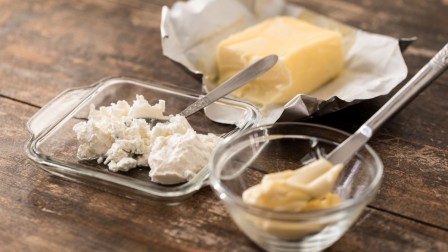
Butter as a starting point – Savor is already working on further innovations in the dairy segment
What makes Savor's approach particularly exciting is that it is not limited to butter.
The company is already working on:
- Milk alternatives
- Ice cream
- Cheese components
- Meat fats
- Alternatives to tropical oils, i.e. palm oil
This modular platform could decouple whole value chains long-term - from agricultural land to animal husbandry and import-dependent raw materials.
Outlook: A future without compromise
For the global food industry Savor's approach is more than an innovation - it symbolises the next phase of development for sustainable food systems.
If the technology remains to be scalable, it could be a decisive component in the future for satisfying the growing demand for fats without further depleting natural resources.
In 2025, Savour is impressively demonstrating how radical new approaches can change the food industry - and why "butter made from air" is no longer merely a vision of the future.