-

- Magazine
-
Articles
Korean innovations between streetfood and high-tech
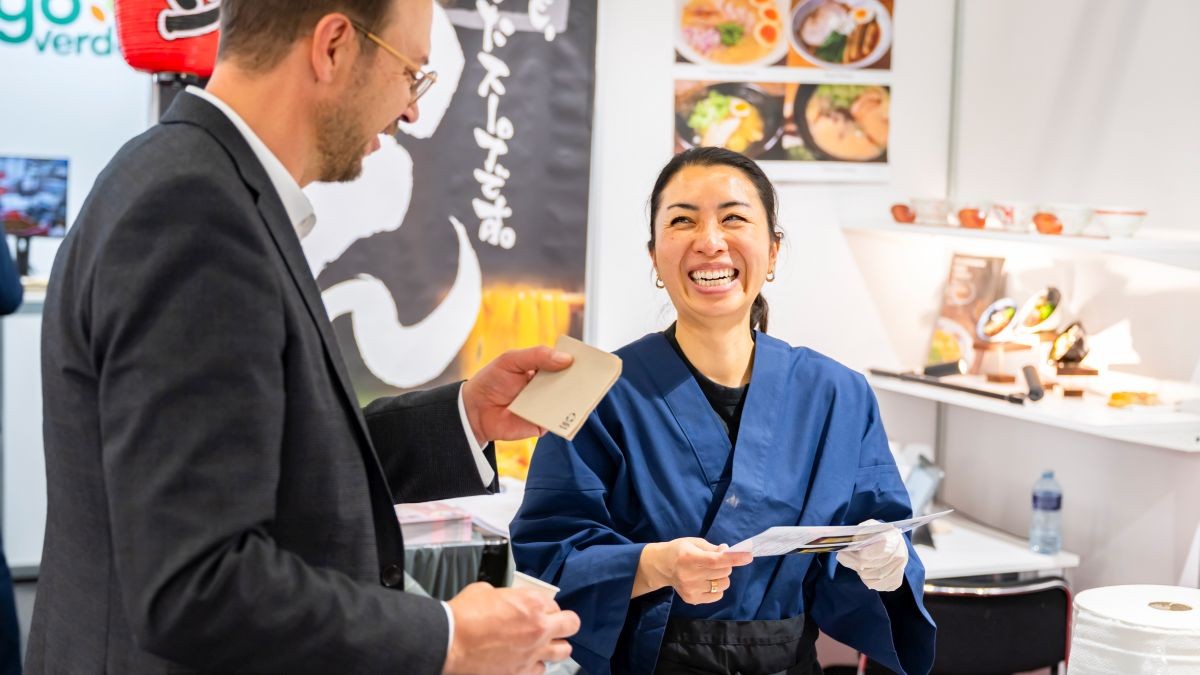
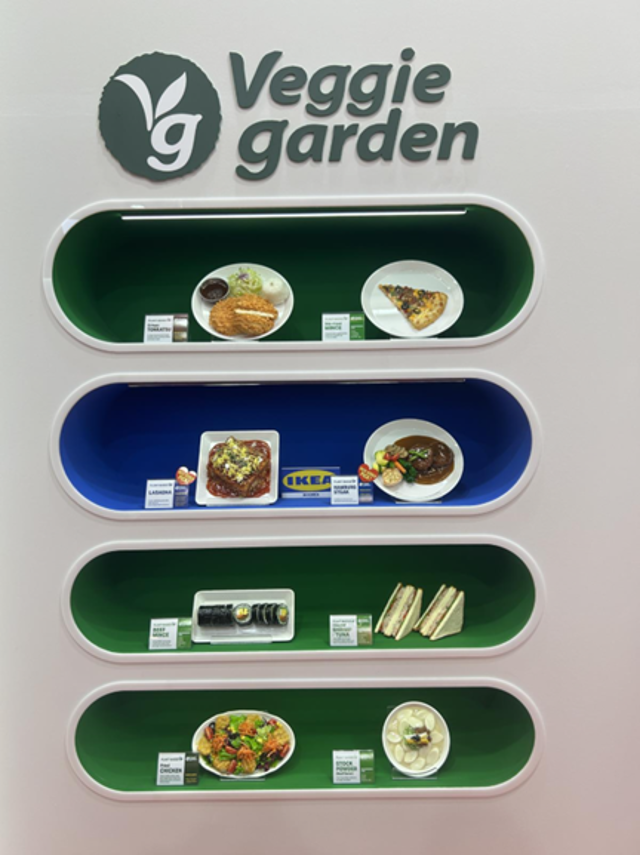
Plant-based alternatives have long since been a part of K-food, including also alternatives for IKEA Korea. (Photo: © Jonah Voit | textbest)
Walking through the exhibition halls at Anuga 2025 was a feast for the senses. Steaming spicy rice cakes (tteokbokki) beckoned at the stands, alongside tempting instant noodles that can be prepared either hot or cold. Dumplings, fermented umami sauces and Korean fried chicken demonstrated how traditional recipes can be given a modern twist. Even classics like whole chicken soup (samgyetang) are available as a convenience version today. These are accompanied by kimchi varieties with a hint of ketchup or mayonnaise, instant coffee in powder form, special chewing-gum against fatigue and Milkis lemonade, a fizzy milk powder drink in various flavours.
Hardly any other cuisine currently manages to combine functionality, taste and lifestyle as efficiently as K-food. The developments in the area of meat substitutes are particularly dynamic. Plant-based alternatives are long established in Korea and are implemented for instance at IKEA Korea and other international chains. The products combine a spirit of innovaton with sustainability – a concept that is arousing great interest in Europe.
"I was hardly familiar with K-food until now," a sales employee from the Netherlands remarked at Anuga, "but I am always looking for new innovations and have contacted several Korean firms here directly." His assessment summarises what motivated many visitors at Anuga: Curiosity, openness and the search for fresh ideas for product ranges and sales.
K-wave meets K-food: Pop culture as a door opener
The success of Korean food in Europe is closely linked to the global K-wave. K-pop, K-dramas and Korean fashion have hugely increased the interest in the culture of the Asiatic country – and thus also in its cuisine. Anyone, who listen to the music of the boy group, BTS, or watch series like Crash Landing on You, are long since familiar with dishes like ramyeon or bibimbap. K-food is profiting from this emotional connection. Social media platforms like TikTok and Instagram are reinforcing the trend: Recipes, streetfood videos or packaging designs from Seoul are reaching millions of viewers. This is making Korean brands particularly attractive for young consumers in Europe – the companies combine lifestyle with enjoyment and thus create a brand world that extends far beyond the actual products. This is preceisely the key to the European market for many producers: Authenticity meets entertainment. And Anuga 2025 offered the ideal platform to combine cultural appeal with economic substance.
H2: Market potential: Regulation, export and new opportunities
In recent years, Korea has been specifically working on facilitating the export of its food to Europe. New EU regulations make it possible for an increasing amount of products – including also animal-based and processed products – to be imported. Parallel to this, the Korean Government is investing in quality management, food safety and sustainable supply chains to comply with European standards.
The free trade agreement between the EU and South Korea has been reducing the customs duties and trade barriers for years. Now the market is opening up further: Heat-treaded poultry products, fermented sauces or ready-made vegan meals from Korea are gradually finding their way into the European trade.
This development is highly interesting for many import companies. Europe is looking for new product impulses that can be clearly positioned on the market and Korean brands are providing precisely that: Taste and storytelling united.
Anuga 2025 used Korean manufacturing companies to establish direct contacts to European distribution firms. The demand is high, especially from the customers from the convenience and premium segment. For the trade, this presents new opportunities of addressing young target groups, who place value on quality and a touch of pop culture.
H2: Conclusion: K-food as a bridge between cultures
K-food stands for a cuisine that upholds tradition and at the same time looks ahead boldly. The combination between fermented ingredients, creative packaging and digital brand communiction turns it into a role model for modern food production. The fact that Korean products are ending up on the European shelves more and more often is no coincidence. The market is demanding variety and Korean manufacturers are delivering the answers: from functional beverages and sustainable ready-made meals, through to plant-based proteins. Korea impressively demonstrated at Anuga 2025 how culture, innovation and export strategies go hand in hand. A market is opening up for Europe which still holds plenty of culinary and economic potential.