

-

- Magazine
-
Articles
Private labels in the food industry
Market trends: own brands on the rise
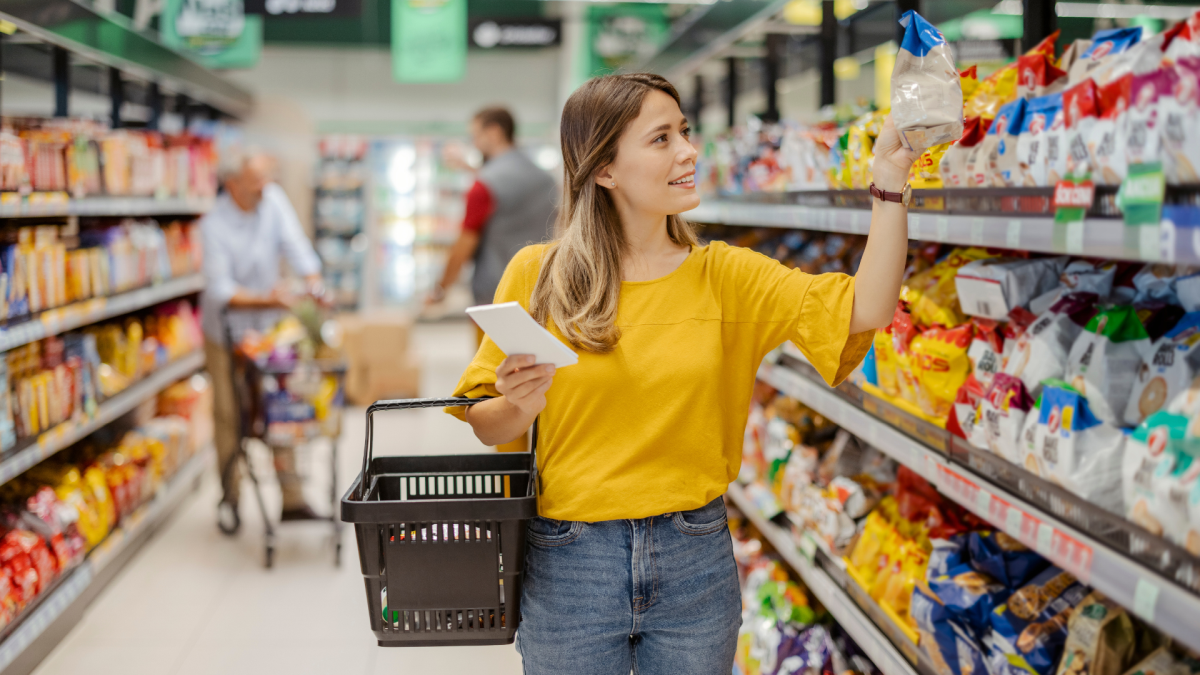
Faced with rising living costs, consumers are increasingly turning to store brands in order to save money. In 2023, for example, almost a third of consumers worldwide said they planned to buy more private labels as a way of reducing costs. This trend isn’t going away and it’s particularly strong in Germany and Spain.
Growth in this segment continued in 2024, with 62 per cent of all private-label product launches around the world appearing on shelves in Europe, followed by North America and Asia. The leading markets are the United Kingdom, the United States and France. When broken down by category, a clear ranking emerges, with bread and baked goods accounting for the highest share of own-brand products in the global food and beverage sector.
Remind me: what are private-label products?
The term private label is applied to goods that are produced by specialist manufacturers but sold under the brand name of a retail company. Examples include own brands offered by large supermarket chains, such as Tesco Finest, Sainsbury’s Taste the Difference or Just Essentials from Asda. The retailer controls the product range, price positioning and brand image, while production is often handled by specialist manufacturing companies.
“Premiumisation” and innovation: own brands 2.0
The old image of the “budget brand” has fallen by the wayside. The new generation of private labels favours “premiumisation” – in other words, the use of high-quality ingredients or materials, sustainable packaging and clear origin labelling. Many successful retailers now use own brands as drivers of innovation to bring trends to market faster than traditional manufacturer brands.
Examples include organic ranges with links to the region and vegan ready-to-eat products tailored specifically to urban target groups. The advantage for retailers is that they have full control over pricing, storytelling and brand differentiation.
Private labels vs. white labels
- Private label: Product development, design and brand identity are all determined individually by the retailer.
- White label: A standard product made by a manufacturing company and sold by various retailers under their own names without any major modifications.
In short, private-label products are tailor-made for a retailer’s own brand, whereas white-label products are more “off the peg”.
Opportunities for producers
Private-label contracts can make strategic sense for manufacturing companies because they allow for continuous capacity utilisation, help cover fixed costs and provide market access via large retail chains.
However, excessive dependence on a single retailer carries risks. Pressure on prices and margins is high, and the bargaining power is typically in the hands of the retailer. Consequently, successful companies strike a balance between the volume of private-label orders and the production of their own manufacturer brands, or diversify their customer base.
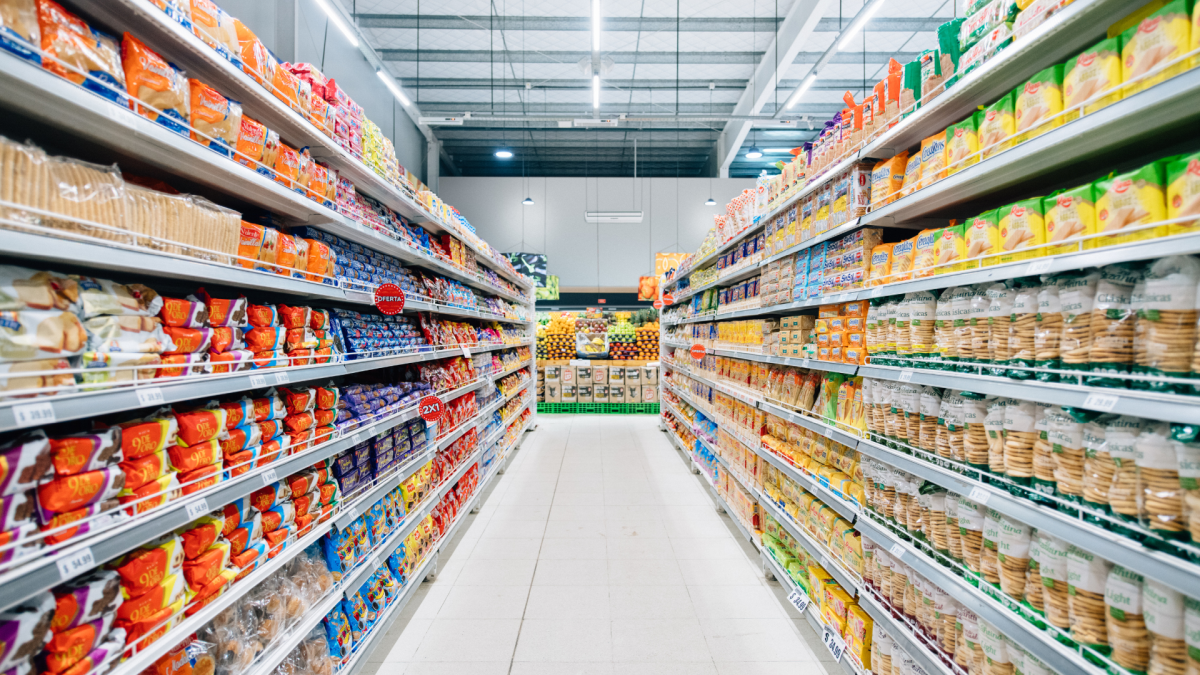
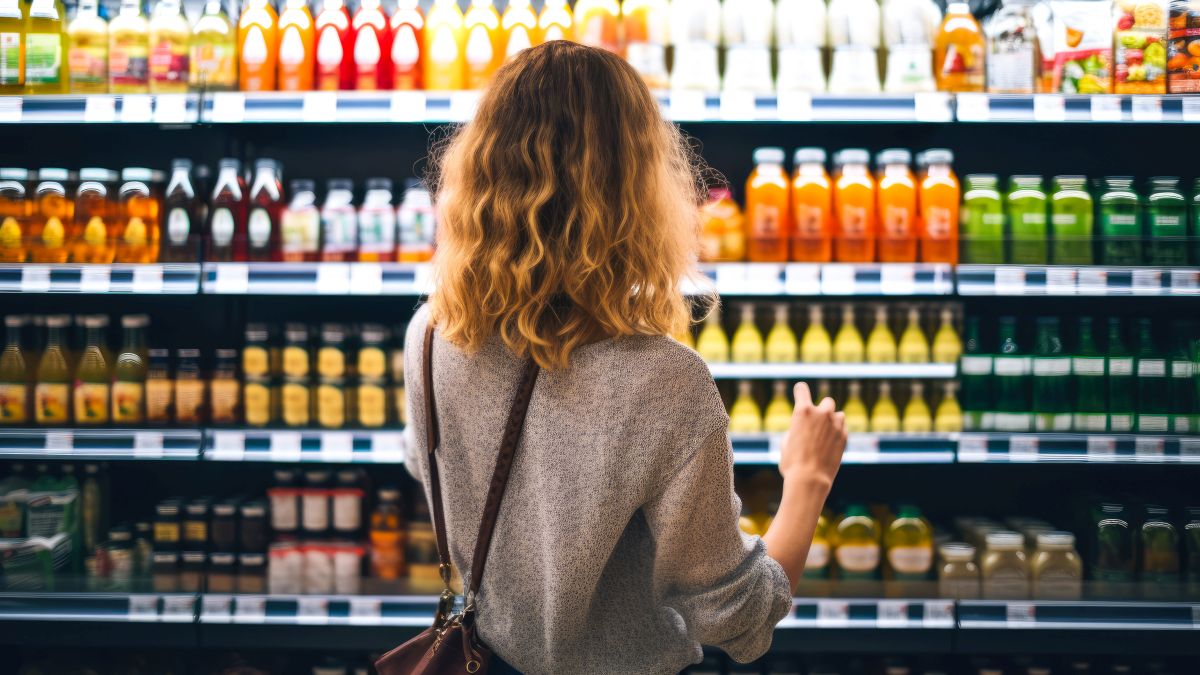
Private-label products on supermarket shelves (textbest | Canva Pro)
The retailer’s perspective: more than just margins
For retail chains, private-label products do more than just yield lucrative margins; they serve as strategic differentiation tools to secure the loyalty of certain target groups. Those that succeed in establishing own brands with clear positioning – whether in the premium, organic or discount segment – enjoy competitive advantages.
Regulation and quality: zero margin for error
Rising demand goes hand in hand with growing regulatory pressure. Issues such as food safety, certifications (IFS, BRC, organic logo) and packaging legislation such as the EU Single-Use Plastics Directive must be taken into account.
Instead of seeing this landscape as a burden, innovative companies are turning regulatory initiatives into selling points, for example by switching to recyclable packaging or carbon-neutral production processes ahead of the competition.
Important developments affecting private-label products today
The coming years are expected to bring further growth, both in terms of breadth –with more categories – and depth – through segmentation. AI and automation will accelerate product development and supply chain management. E-commerce is also set to change the private-label business, with digital own brands, exclusive online products and direct-to-consumer strategies opening up new channels. Private labels will therefore also be a key topic at Anuga 2025 , where around 4,000 companies offering private-label products will be represented.
Summary: the rise of private labels is set to continue
Private labels have long ceased to be side projects and are now a key area of activity in the food industry. Companies that see store brands as more than just a means of utilising capacity and instead view them as a platform for innovation can set trends, gain market share and optimise margins. It’s vital that manufacturing companies position themselves clearly – whether in the value, mid-range or premium segment – while minimising their dependence on retailers. The speed with which new trends are implemented, especially as regards sustainability, health and convenience, is becoming a competitive advantage. The future belongs to those who shape private labels strategically, creatively and with foresight.


Private Label on focus
Further exciting background information and details on the significance of the private label segment for and at Anuga can be found here.