


-

- Magazine
-
Articles
Why sustainability becomes increasingly more important
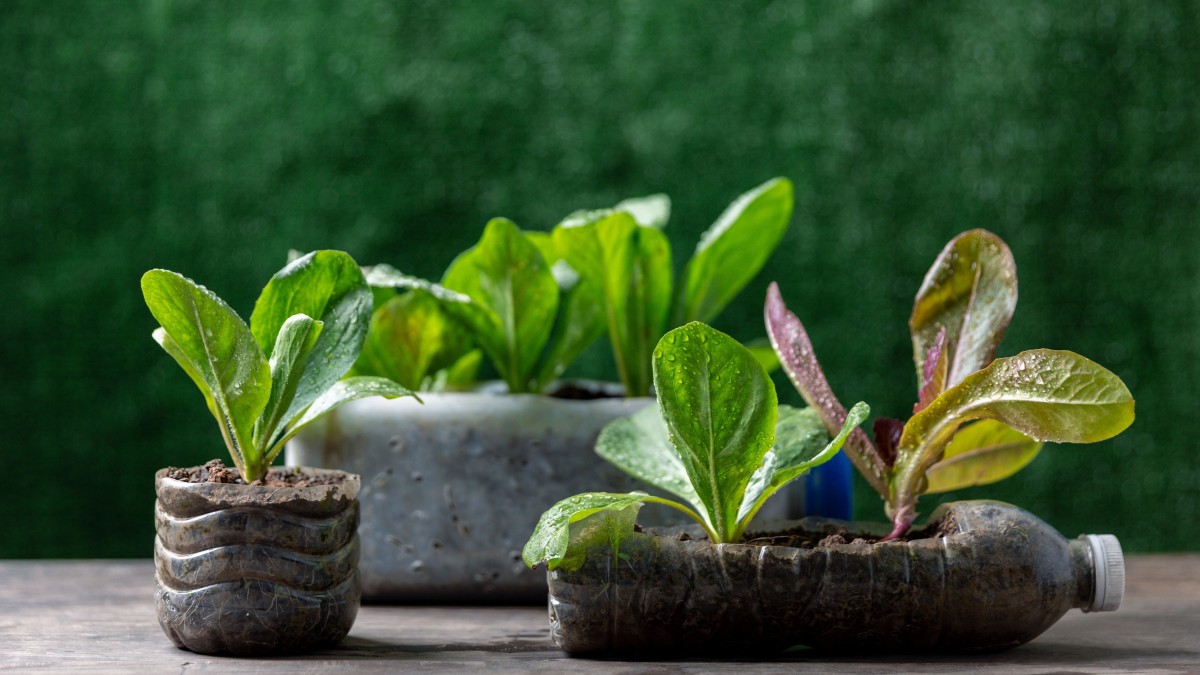
Consumer trends: Upcycling as a conscious purchasing decision.
Global surveys by Innova Market Insights - Anuga's knowledge partner - show that 28% of the global consumers are choosing upcycled products in a conscious effort to consume less. More than one in three selectively opt for upcycling products to avoid food wastage. 20% of the consumers take upcycling claims into consideration when reviewing the nature-related sustainability claims of food items. This increased awareness shows that sustainability is no longer a niche topic, but indeed a key factor in purchasing decisions. Environmentally and health-conscious consumers, in particular, consider the health of the planet to be one of the most important global challenges.
Food & beverage innovations: Upcycling in new products
The market reflects the growing interest of the consumers. New F&B products with upcycling claims have increased by 25% over the past five years. Western Europe is leading the way with 40% of the new products, followed closely be North America with 37%. Asia is experiencing particularly dynamic growth, where the upcycling launches rose by 153% between 2020 and 2024. Countries like Denmark and France are experiencing growth rates of over 100%.
Snacks, soft drinks, hot beverages and bakery products dominate among the subcategories. Tea and vegetable products are achieving particularly fast growth. Snack products like nuts and seeds remain very popular and show the potential of upcycling innovations.
Sustainable packaging: Upcycling as an innovation driver

Upcycling has long since not been limited down to the ingredients: It also plays a key role in the packaging industry.
Agricultural waste like olive kernels are implemented to strengthen biodegradable packaging, whilst material from pineapple leaves is used for compostable packaging.
These developments combine functionality, sustainability and consumer commitment and show how circular economy principles are being put into practice.
Consumer awareness and sustainable products
Consumer awareness for environmental and climate issues is constantly growing. Almost half of the consumers worldwide are very aware regarding the climate change.
While the price remains to be the biggest hurdle for sustainable products, nevertheless more than half of the consumers are actively seeking sustainable alternatives.
Companies that offer attractively priced, sustainable products, can not only reinforce their market position, they can also win over the trust and loyalty of the consumers.
Conclusion: Upcycling and the circular economy as growth drivers
Upcycling is far more than just a trend today - it is actively driving the transformation towards a sustainable economy. Companies that embrace circular economy principles and firmly embed sustainability into their business strategies, not only enhance their brand image, they also create long-term economic added value. The future belongs to products that use resources efficiently, minimise waste and at the same time satisfy the demands of the consumers.

Author
Innova Market Insights

