


-

- Magazine
-
Articles
From Kimchi to Food-Tech: Insight into the culinary diversity of the partner country
What does the partnership with Anuga mean for the Korean food and beverage industry? (What message do you want to convey through the partnership with Anuga)
In recent years, Korean food has received unprecedented attention around the world. Since the 2010s, traditional foods such as kimchi, seaweed, and jangryu (soybean paste, chili paste, and soy sauce), as well as traditional diets such as bibimbap, have been widely spreading as a healthy food culture in line with the vegan and wellness trends. However, with the recent spread of the Korean Wave (K-Wave), modern street foods such as tteokbokki, kimbap, dumplings, and (Korean-style) ramen are also spreading deeply into the global public.
In addition, technology convergence products such as food-tech-based substitutes, functional foods, and HMR are emerging as new growth engines for the Korean food industry, and they are suggesting the direction of future food culture with sustainability, environmental friendliness, and ethical consumption as core values.
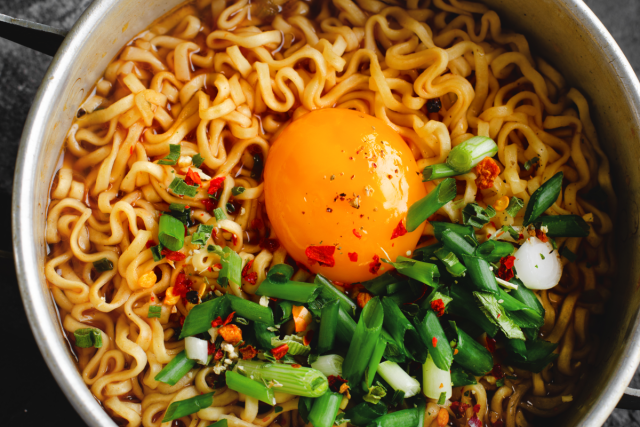
Korean food, with its blend of tradition, present, and future, is now recognized as an important cultural phenomenon in the global food industry, leading consumer trends centered on social media. At this point, Korea's participation as a guest of honor in partnership with Anuga, the world's largest food fair, is more than just a participation. It's an opportunity to showcase the tradition, innovation, and sustainability of Korean food and make a strong impression on the global food and beverage industry.
We believe that our partnership with Anuga will amplify the interest of the food industry and expand our reach to buyers and distributors around the world. I am confident that Korean food can now be positioned as a global food culture that people around the world can relate to and participate in, rather than just an 'ethnic food'.
What are some of the traditional and new food trends in Korea that you would like to highlight?
As I mentioned earlier, we are not emphasizing a specific sector at Anuga 2025, but rather the entire spectrum of Korean food, from traditional Korean food to modern street food and future-oriented innovative products that combine past, present and future. Innovative products that combine past-present, traditional-future, and present-future will also be showcased.
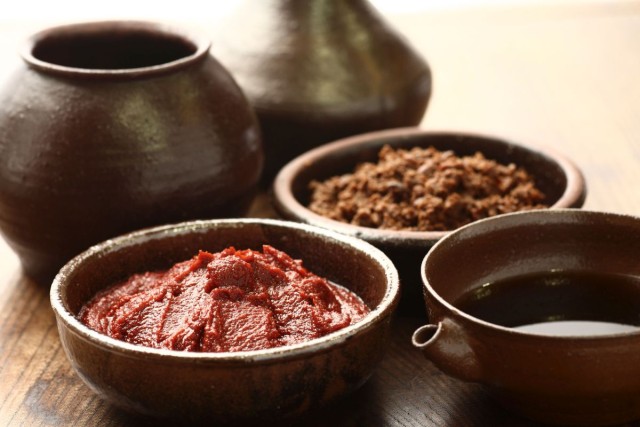
We will introduce products that showcase both the past and present, such as traditional kimchi, soybean paste, and gochujang, as well as modernized versions of these, such as vegan kimchi, kimchi spread, and allergen-free soy sauce. We will also be exhibiting various HMR products such as tteokbokki and dumplings to make Korean street food accessible to everyone.
In addition, we are presenting a sustainable food culture through innovative Korean food products that are in line with global trends such as veganism, wellness, and sustainability - for example, soy milk noodles, vegan tuna, and upcycled food products such as green leaf kimchi.
This year's Anuga 2025 will bring all of these elements together to showcase the true nature of “K-food, where the wisdom of the past, innovation of the present, and sustainability of the future coexist.”
The event will vividly convey the appeal and promise of Korean food in the global food and beverage market, with its tradition, modernity, and forward-thinking values.
How does the Korean government or the Korean Food Industry Association (KFIA) help companies successfully market their products globally?
The Korean government and the Korea Food Industry Association (KFA) are providing various support for Korean companies and Korean food products to expand and stabilize their global presence. In markets where Korean food products are already well recognized, large-scale events linked to the K-Wave culture are organized to enhance the image of Korean food products and national brands and spread their influence in the market.
On the other hand, in emerging markets where Korean food products have not yet been established in earnest, we are actively exploring new markets and laying the foundation for entry. We are actively supporting customized programs to connect export channels, such as participating in fairs and holding promotions and tasting events in collaboration with local distributors.
As such, governments and associations are supporting companies in their global expansion with strategies tailored to market-specific conditions, and are providing full support for companies that are new to exporting, especially by playing a role as a “stepping stone” to help them achieve tangible results.
What role do ‘fermentation technology’ and ‘sustainable production processes’ play in the Korean food industry?
‘Fermentation technology’ is the root and identity of the Korean food industry. Kimchi, soybean paste, gochujang, and traditional liquors have been developed into traditional foods with unique flavors and healthfulness through the fermentation process that combines natural microorganisms and aging environment, which has become the unique identity and competitiveness of Korean food.
The government is actively supporting research and production for the convergence of the traditional fermented beverage industry and the modern microbial industry through the designation of the ‘Special Zone for the Fermented Beverage Industry’ and the creation of the ‘National Food Cluster’ in Jeonbuk, and is also holding the ‘International Fermentation Expo’ to support companies' market development and promote R&D. Companies are also actively developing and producing products that reinterpret traditional fermentation technology through modern scientific approaches.
The Korean food industry is also focusing on sustainable production processes. It is actively fostering smart farm technology to build a stable agricultural supply system, which is contributing to the realization of eco-friendly agriculture by saving water, minimizing the use of pesticides, and preventing soil pollution while responding to climate change. In particular, these smart farm technologies are being exported to overseas countries such as the Middle East, where Korea's superior technology is being verified globally. The fishery sector is also introducing eco-friendly aquaculture systems to protect marine ecosystems, and in the case of seaweed, a representative export product, land-based aquaculture technology is being developed in response to the instability of the marine environment.
In addition, Korean food companies are strengthening their ESG management. By introducing carbon reduction facilities, utilizing alternative energy, applying recycled packaging, and expanding the use of plant-based ingredients, they are building a sustainable production system and contributing to the reduction of greenhouse gases. We are also expanding the production of upcycled food utilizing by-products from the food manufacturing process. By recycling by-products such as shredded rice and soybean beans into new products, these waste reduction efforts show that the Korean food industry is moving toward a sustainable industrial structure that considers environmental and social responsibility.
Which international markets are particularly attractive for Korean manufacturers?
Currently, the main export markets for Korean food products are the United States, China, and Japan, with the ASEAN region accounting for the largest share by region. These regions are the centers of the popularity of the Korean Wave (K-Wave) and coincide with the main export destinations for K-Pop music.
However, with the recent spread of Korean Wave content to Europe, Africa, Latin America, and Oceania, Korean food products are also rapidly expanding in popularity. Especially since COVID-19, the rapid proliferation of e-commerce and online platforms around the world has greatly increased consumer access to Korean food. This has created favorable conditions for Korean food products to connect directly with diverse consumers around the world.
Of these markets, we are particularly focusing on Europe. Despite being a food consumption market with high purchasing power, Europe accounts for only about 7% of total K-food exports. This is due to non-tariff barriers such as strict quarantine regulations and hygiene standards in Europe, and Korean companies are gradually expanding the market by developing customized products and securing certifications suitable for the European market.
At this time, the participation of Korea as the host country of Anuga 2025 is expected to dramatically raise the profile of Korean food products in the European market. By focusing on Korean food products through Anuga, we plan to strengthen our connections with local distribution networks and significantly expand our access to European consumers.
How does Korea plan to introduce traditional foods such as kimchi, soybean paste, gochujang, etc. to a wider global audience at Anuga 2025?
As mentioned earlier, we plan to showcase a comprehensive range of Korean food products at Anuga 2025, including traditional Korean food, street food, and futuristic food. In particular, in the traditional food sector, we will showcase a number of leading Korean kimchi and pickle companies, not only promoting traditional kimchi, soybean paste, and gochujang, but also customized products that reflect the tastes and needs of global consumers.
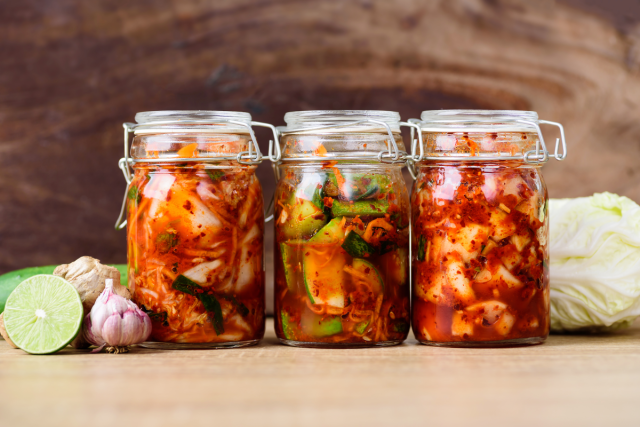
For example, ‘vegan kimchi’ without salted fish, ‘kale-apple-carrot kimchi’ with ingredients familiar to Westerners, ‘meal-kit kimchi’ that makes it easy for anyone to make their own kimchi, and jam-like kimchi spreads that can be spread on top. In addition, there will be a variety of other innovations, such as pea soy sauce, which replaces soybeans to eliminate allergic ingredients. This shows that traditional Korean food is not just a cultural heritage, but is constantly evolving, proactively responding to changing trends in the global food market.
These innovations will make traditional fermented foods such as kimchi, soybean paste, and gochujang more accessible and familiar to consumers around the world. Tasting events and hands-on programs for these products will also be held at Anuga 2025 to bring the tradition and innovation of Korean food to life.
What strategies is South Korea pursuing to further expand its export markets, and what role will Anuga 2025 play?
Korea recognizes food as a cultural asset, not just a consumer product, and is targeting the global market. Along with the spread of Korean Wave(K-Wave) contents such as K-pop and dramas, Korean food culture is naturally expanding, allowing people to experience ‘food as culture’. The government is also trying to support the food industry in various ways by collaborating with culture, tourism, and diplomacy.
The Korea Food Industry Association's participation as a host country at ANUGA 2025 is timely, especially as the Host Country Leading Companies Pavilion will be organized at the entrance of the main hall, Hall 5.2, where 13 leading Korean food companies will form a special zone of 792 square meters. Participating companies will exhibit products that blend tradition, present, and future, and plan rich events that buyers and visitors can experience directly or indirectly. This year's Anuga will be a stage to declare that Korean food is a global food culture that prepares for the future by crossing tradition and trends.

