-

- Magazine
-
Articles
Organic trends in Europe
Farm to fork: Transparency and regionality
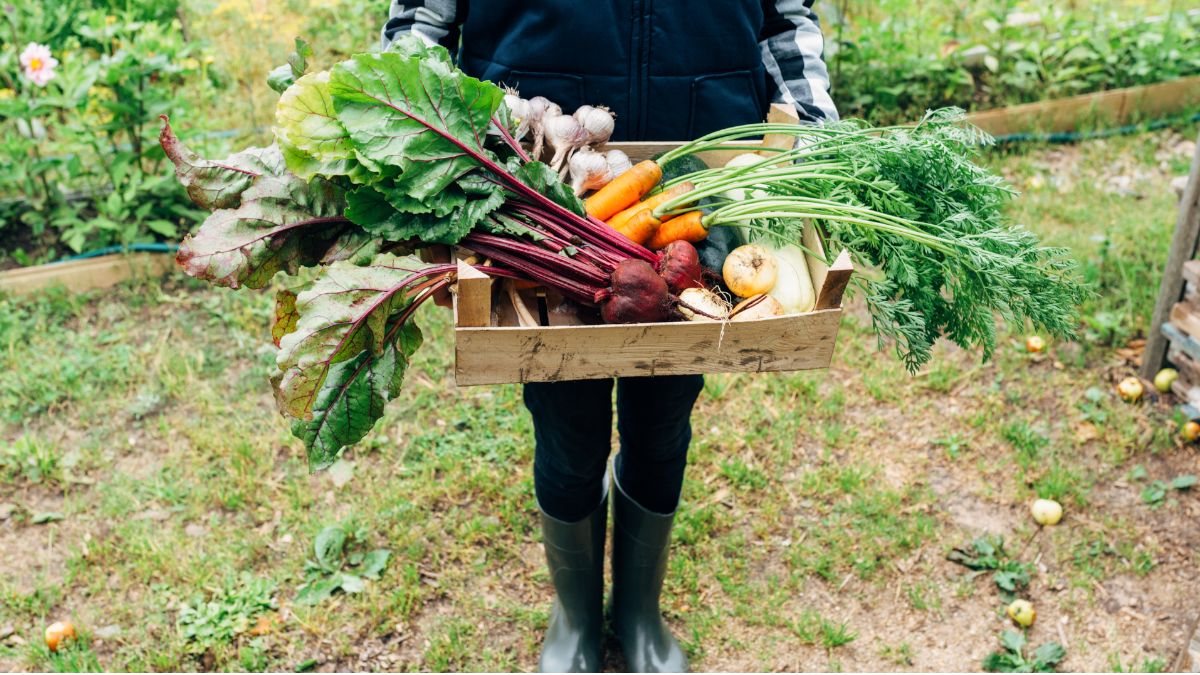
More and more consumers want to be able to trace where the products they eat come from. Among others, designations of origin and QR codes help them do this. In the scope of the "Green Deal" of the European Union, the "Farm to Fork" strategy (F2F) is also a step in the direction towards greater environmental protection and sustainable food production. The implementation of pesticides, fertilisers and antibiotics in animal feed is to be reduced to promote organic farming. F2F also stands for greater transparency along the supply chain and strengthens the role of the primary producers.
Organic community
More organic food should be served in public institutions like day care centres, schools and hospitals. The Federal Ministry of Agriculture, Food and Regional Identity (BMLEH) is therefore promoting more sustainable out-of-home meals in Germany with initiatives like "Everyone can do organic - sustainable food in day care centres and schools" and "Organic, please - more organic in public kitchens". In this way, BMLEH is not only setting a visible sign for a healthy and ecological offer of meals, but is also reinforcing the local trade with organic food and beverages through regional partnerships.
Vegan and plant-based: The demand is rising
Vegan and plant-based organic alternatives are booming on the global market. The trend towards milk and meat substitute products and plant-based snacks is particularly evident in Europe. For example, the Netherlands is considered a pioneer when it comes to cultivated meat. The Dutch Government specifically provides funding to drive the development of cellular agriculture.
Organic trends in the Asia-Pacific region
Asia and Oceania are particularly characterised by the following trends in the organic sector:
Organically home-grown through urban farming
The Asian cities with millions of inhabitants such as Singapore, Tokyo and Shanghai are considered pioneers of the urban farming movement. The domestic organic gardens were brought to life because there is limited space for growing regional fruit and vegetables in the densely populated metropolises. Popular models include vertical farming, i.e. the vertical cultivation of plants on house walls, and indoor farming where the plants are grown in greenhouses on the roofs of supermarkets and other buildings. The trend has meanwhile reached other countries, including also Germany.
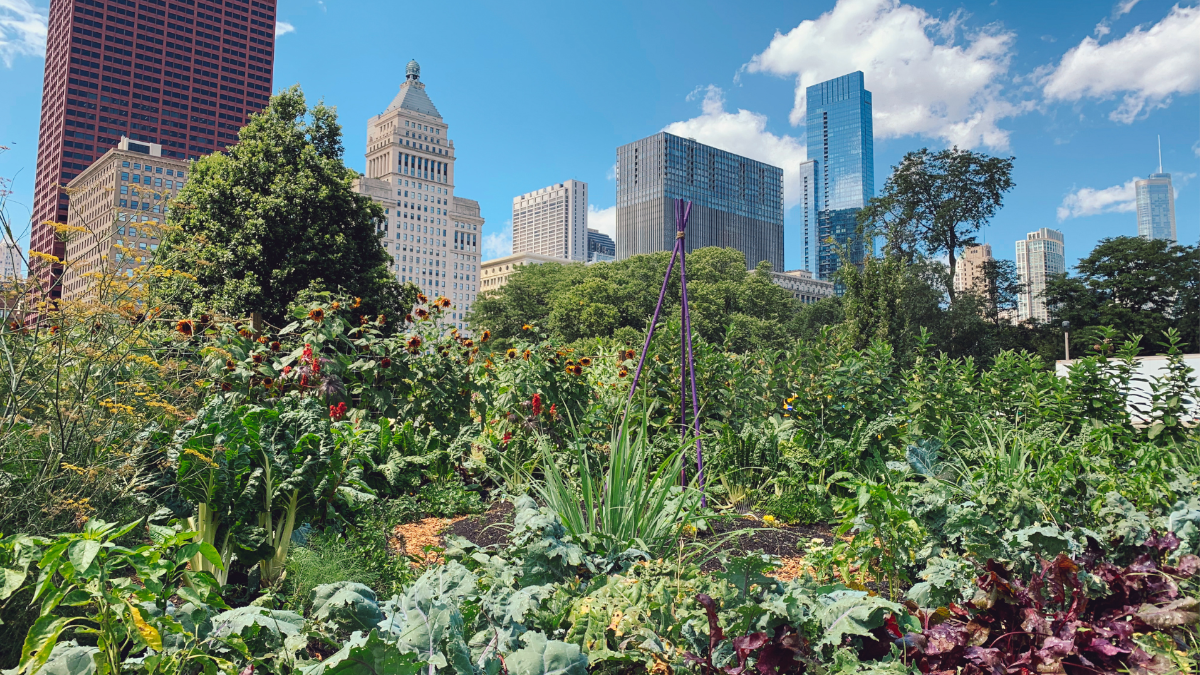
Urban farming is one of the organic trends of big cities. (Bild: © textbest | Canva)
Organic for babies
Surveys by Fortune Business Insights and Data Bridge Market Research (DBMR) reveal that the Asia-Pacific region is the global leader in organic baby food. There are many reasons for this: Ranging from a growing birth rate in countries like China and India, through to an increased focus on the nutritional value of baby food.
Agriculture is going regenerative
The concept of regenerative agriculture places the focus on biodiversity, carbon sequestration and soil management. New Zealand and Australia are trailblazing in this field - with governmental initiatives and practices that aim to achieve a sustainable agriculture. Examples include promoting biological cultivation methods in New Zealand and rotational grazing in the Australian livestock farming.
Food with that little extra
Functional foods enriched with vitamins and probiotic bacteria are gaining significance worldwide. The spectrum ranges from bakery products and dairy products, through to organic snacks. The priority lies on health benefits here: More and more people want to consciously eat healthily and do something good for their bodies. The Asia-Pacific region is considered a leader in this field.
Clean ingredients lists thanks to clean labels
A short list of ingredients with few additives and a clear designation of origin: More and more consumers are seeking products with clean labels. Many organic products already fulfil the criterion. Although it is a global phenomenon, the organic trend is above all widespread in the Asia-Pacific region, whereby China currently offers the largest market. An important reason for this is the increasing standard of living of the consumers.
Organic trends in North America
In North America, the following organic trends are being observed:
Eco-labels for ecological and social responsibility
Against the backdrop of the increased interest in environmental protection and sustainability, eco-labels such as "USDA Organic" and "Fair Trade USA" offer the consumers orientation. They support well-informed buying decisions and green consumption, whether through ethical trade, organic farming or the sustainable use of resources. Thanks to the population's high level of environmental awareness, the USA and Canada are considered to be leading regions in the eco-label section.
Organic and online trade: Direct to the consumers
Companies such as Imperfect Foods are driving the online trade of organic products. They provide the consumers with digital platforms that allow them to bypass intermediary distributors and buy organic goods directly from the producing companies instead. The direct-to-consumer model is especially popular with many consumers due to brand-specific subscription models and convincing social media marketing.
Organic production with BIPoC farmers
Various NGOs promote smaller communities that practise organic farming. For instance, "Nature For Justice“ and "Black Farmer Fund" target minorities like BIPoC farmers, i.e. black, indigenous and non-white people. These are financially subsidised. The aim is to increase the diversity of the organic production and organic farming in North America as well as the sustainable use of resources.
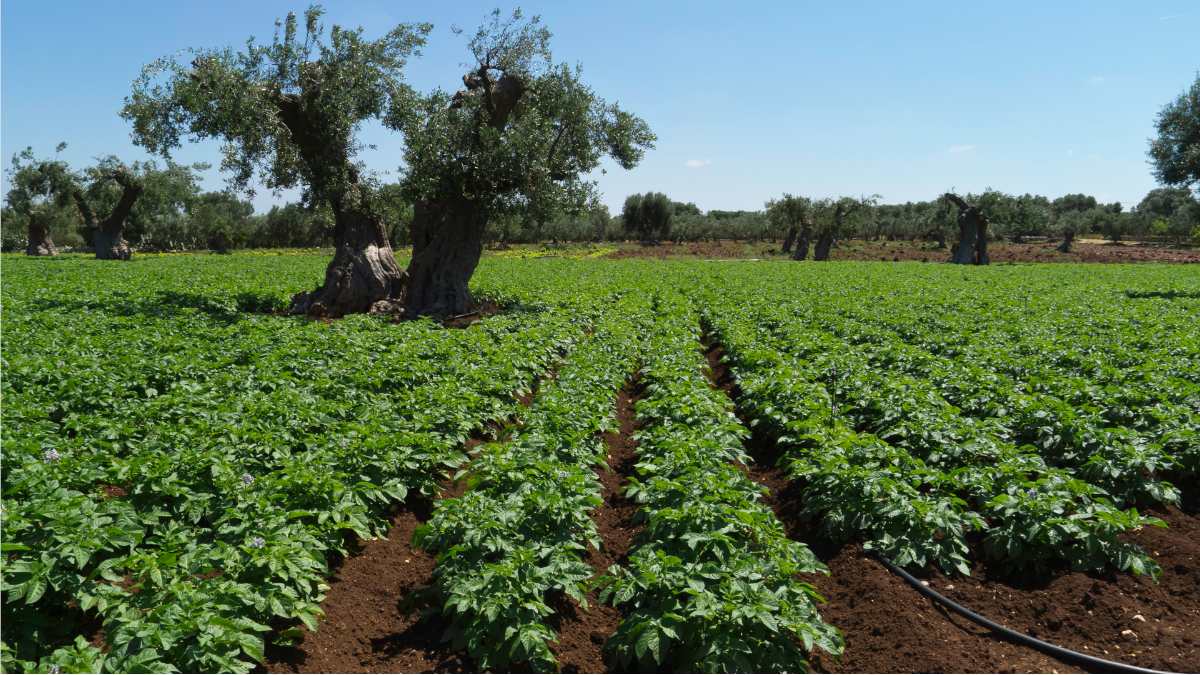
Bio-Trends in Nordamerika zielen auf Biodiversität ab. (Bild: © textbest | Canva)
For the sake of the environment: Organic trends set standards
Organic is no longer a short-lived trend, it has established itself as the new standard, both in the supermarket and on the field. It is about much more than the mere product: Sustainability, climate protection and animal welfare are closely linked to the term organic. Hence, the trends reflect the consumers' current expectations and wishes and show where the organic market is headed.
Visit us at Anuga 2025 to discover the latest organic trends and engage with professionals from the industry. You will gain exciting insights into the future of sustainable food production on the Anuga Organic on Stage and Anuga Trend Zone stages. The Anuga Organic Supermarket, which presents innovative organic products in a realistic marketplace setting, is a further highlight.
Author
Sanja Wisniewski