-

- Magazine
-
Articles
The rise of alternative proteins
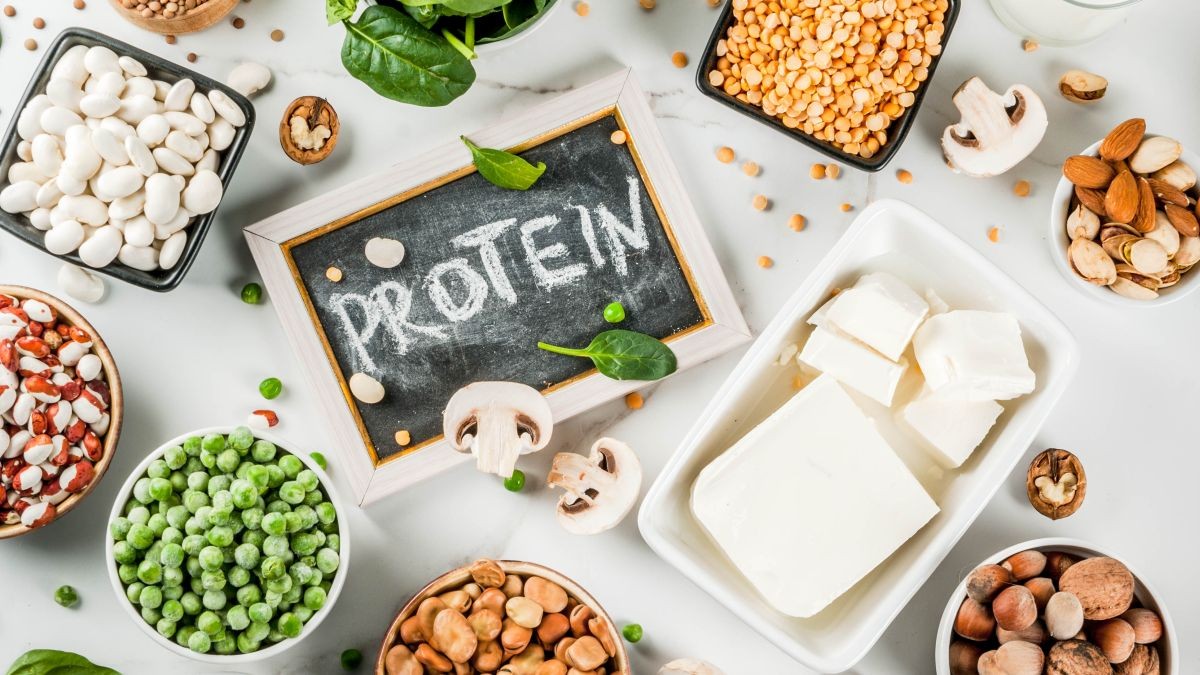
Alternative proteins - what has changed
Just a few years ago public funding for research and development in the field of alternative proteins was virtually non-existent. However, a major shift has occurred since 2023. Governments worldwide are increasingly investing in alternative proteins - to achieve national sustainability goals, meet climate commitments and create new, future-proof jobs.
Public support for the alternative protein ecosystem - for both research and development and also for commercialisation incentives - reached a total of US Dollars 1.67 billion in the year 2023. The commitment has remained stable since then: Hundreds of millions of Dollars were invested globally in research, infrastructure and the market launch of alternative proteins in the subsequent years.

Alternative proteins are at the heart of a global movement towards a more sustainable diet and circular economies.
The appetite for a circular economy is growing
North America is a prime example of this development. In Canada, a research centre for alternative proteins was opened, which develops technologies that will make the agricultural production more sustainable. In the USA, several states are meanwhile subsidising the expansion of the infrastructure for alternative proteins and supporting start-ups in this section.
Europe is also following suit: In Germany, for example, a national funding programme is supporting the research into plant-based proteins and helping young companies enter the market. In the Netherlands, on the other hand, a large-scale project for the development of lab-grown meat is being financed that is attracting international attention.
Milestones in regulation
Parallel to this, new regulatory framework conditions were introduced worldwide over recent years to ensure the competitiveness of alternative proteins. The approval of lab-grown meat in Singapore was an important step which serves as a role model for several countries and is strengthening the confidence in the safety and market readiness of these products.
Alternative proteins as a solution for global challenges
It is meanwhile widely accepted that the food systems have to be adapted to the climate change. Multilateral organisations and Governments increasingly consider alternative proteins to be a key technology for solving climate and food security problems. At international conferences the topic is regularly discussed as a key element of a sustainable food policy.
Enfolding the full potential
Considerable investments are still required to enfold the full potential of alternative proteins. Experts estimate that around US Dollar 10 billion in public funding would be necessary annually to push the research, development and commercialisation worldwide. Everyone's help is required here - from companies and investors, to politicians and scientists.
In spite of all the progress, the industry is still in its infancy. In the first six months of 2025, around US Dollar 443 million in new investments were reported worldwide - a clear indication of the ongoing interest, but also of the fact that the growth potential has nowhere near been exploited yet.
Anuga as a platform for the future
Anuga has also recognised the importance of this emerging segment and as the leading global trade fair is placing a clear focus on alternative proteins with its new trade show. With a trade fair section dedicated to the theme, it not only offers a platform for innovative products, it also actively promotes the networking and exchange between experts, who are jointly shaping the future of the food industry.
As such, Anuga Alternatives will become the driving force in making the potential of alternative proteins visible and paving the way for sustainable, forward-looking solutions.
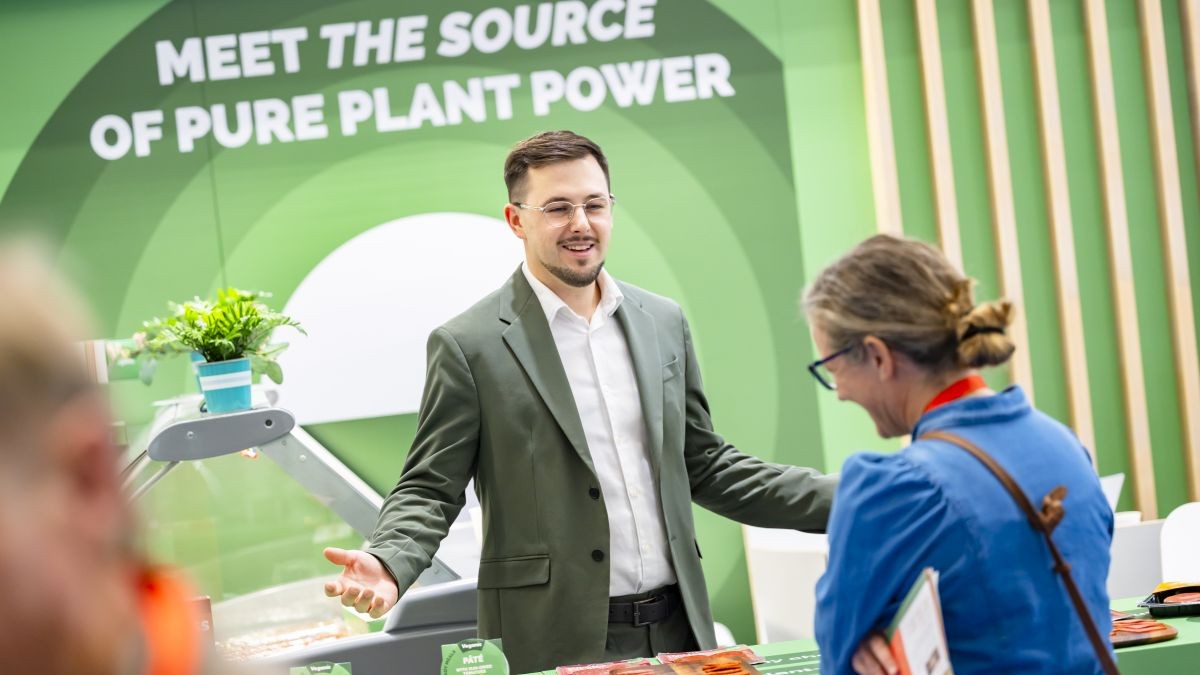
Innovative companies presenting new protein products at Anuga Alternatives - from plant-based burgers to cultured fish.
Conclusion: Alternative proteins: The transformation on our plates
The development of alternative proteins demonstrates the strong interplay between innovations, sustainability and economic potential. What once began as a niche movement has evolved into a key driver of the global food transition. With the growing support of politicians, research and the industry, the sector stands on the threshold of a new era - one in which sustainable proteins may no longer be the alternative, but indeed the norm.
Author
Sanja Wisniewski