-

- Magazine
-
Articles
The Rise of Minimalist Diets

Rethinking What “Healthy” Means Today
Consumer attitudes toward health and nutrition are undergoing a noticeable shift. For years, eating well was largely linked to preventing future illness or managing long-term conditions. Today, the focus is much more immediate. People want food that supports how they feel right now. More energy, better mood, less stress, and an overall sense of everyday wellbeing are top priorities.
This mindset has pushed minimalist eating into the mainstream. Shorter ingredient lists, familiar components, and a “less is more” attitude now shapes what many consider healthy. This trend is also reinforced by a growing conversation around ultra-processed foods and the potential impact they may have on both physical and mental health.

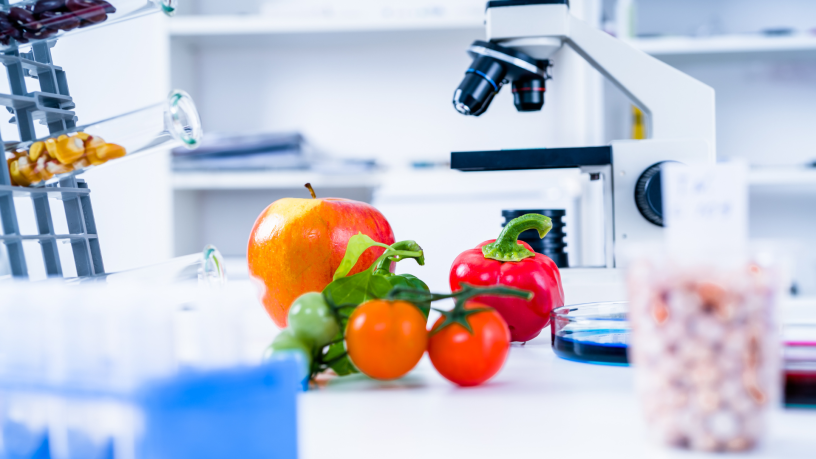
Awareness of ultra-processed foods is driving a global shift toward natural and transparent products.
Growing Awareness of Ultra-Processed Foods
A new level of consumer scrutiny is shaping food choices. FMCG Gurus’ insights show 48% of global consumers say they understand what ultra-processed food is, and 62% believe they can identify the difference between processed and ultra-processed items. Consumers may not always agree with the scientific definition, but their perception is largely consistent. Ultra-processed products are often associated with additives, preservatives, artificial flavors, and unrecognizable ingredients.
This perception is transforming expectations across the industry. People want clarity, simple language, transparent sourcing, and claims they can verify. Ambiguous promises or technical jargon no longer builds confidence. In fact, many consumers see complicated phrasing as a sign of processed ingredients and hiding “dietary evils” within labeling.
Wellness as a Daily Priority
Health decisions are no longer driven solely by future aspirations; they are increasingly linked to how people feel throughout the day. Tiredness, stress, difficulty concentrating, and low energy influence what consumers purchase. According to FMCG Gurus’ insights, 42% of global consumers want to improve their overall health and wellness. Specifically, 30% say mental health is a leading priority.
This illustrates a shift toward a more holistic view of wellbeing. Physical, emotional, and cognitive health are seen as interconnected, and diet plays a key role in each. For many consumers, dissatisfaction with current energy levels and daily mood is driving people to reduce ultra-processed foods and increase fresh, simple ingredients instead.
Challenges to Eating Well
Even with strong motivation, healthy eating is not always simple. Consumers face barriers to healthy lifestyles which influence their everyday choices. Seven in ten consumers believe eating healthy is expensive and 60% say they turn to unhealthy food when they are stressed.
Convenience and comfort still matter, especially for busy families or time-pressed individuals. For many, choosing a quick, unhealthy option is not rooted in preference, but circumstance. This highlights a key opportunity for the food industry, making options easier to access, affordable, and compatible with modern lifestyles.
Brands that combine simple formulations with price accessibility and convenience can meaningfully close the gap. Products featuring short ingredient lists, recognizable components, and clear labelling are especially well-received, and help consumers feel they are making purposeful decisions without sacrificing practicality.
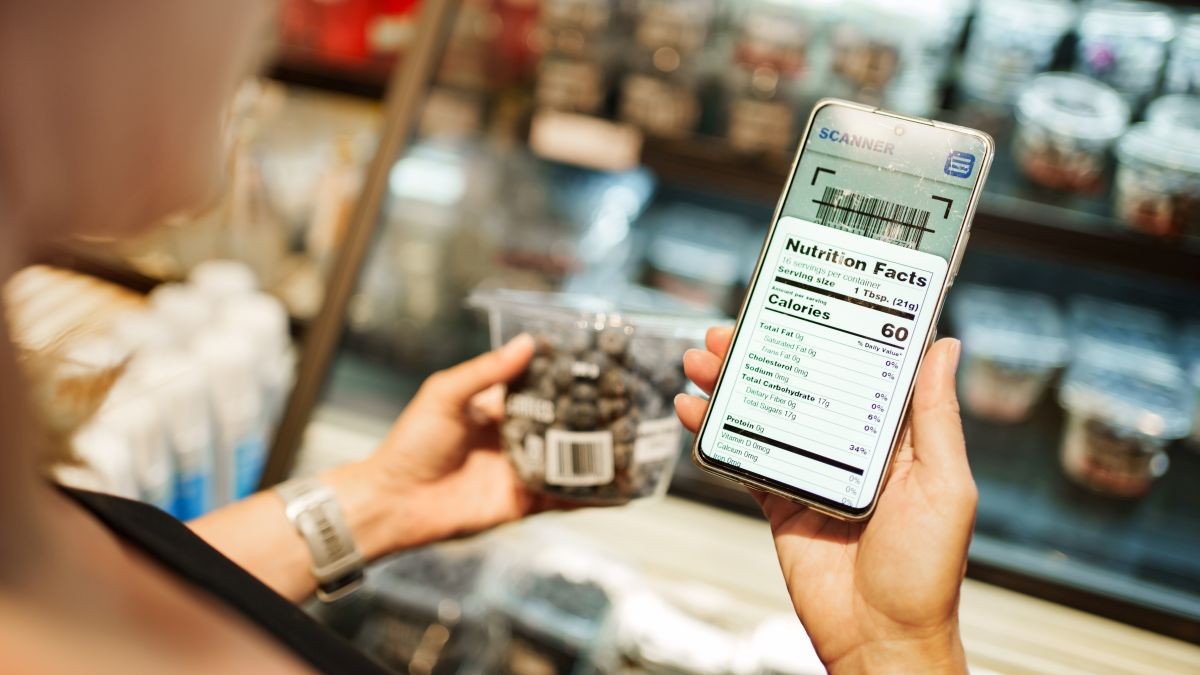
Transparency and trust: clear ingredient lists build stronger brand loyalty.
Transparency Builds Trust and Loyalty
As consumers rethink their purchase criteria, transparency has moved from a nice-to-have to a non-negotiable. Consumers want packaging that clearly reflects what is inside the product, free from hidden additives or misleading claims. This “back-to-basics” approach has contributed to an increase in fresh produce consumption and movement away from overly engineered foods.
Clear claims such as “no added sugar,” “nothing artificial,” or “made with natural ingredients” offer reassurance. They also help people feel more in control of what they eat, at a time when distrust in food labels and technical language continues to rise, as well as an increase in health concerns. Brands that remove unclear messaging tend to earn stronger loyalty and consumer confidence.
Minimalism Doesn’t Mean Restriction
Despite the focus on cleaner eating, enjoyment still matters. Food remains tied to experience, culture, nostalgia, and comfort. Minimalist diets are not about eliminating sensory experience, but adapting to healthier preferences and clear messaging.
Consumers are increasingly adopting a philosophy of balanced indulgence. This means occasional snacks are welcomed as part of a healthy lifestyle. Alongside this, the quality of ingredients matters just as much as the nutritional profile. A key way to do this is through natural sweeteners, reduced artificial content, and simple recipes to help consumers feel good about the products they consume. With this, both health and satisfaction can combine.
Opportunities for Brands
As dissatisfaction with ultra-processed foods grows, demand for simpler, more honest formulations continue to rise. This evolution represents a major opportunity for manufacturers, retailers, and innovators. Products that deliver transparency, minimal processing, and everyday convenience are especially well-positioned for success. As discussed, brands will stand out and meet consumer expectations by using short, recognizable ingredient lists, packaging that communicates clearly and truthfully, and natural formulations that still deliver enjoyable taste.
Looking Ahead
As health priorities shift from prevention to daily wellness, the definition of healthy eating is shifting. Minimalist diets and transparent labelling are more than trends, they reflect a fundamental move toward simpler, more trustworthy food.
For brands willing to adapt, the opportunity is significant. Provide clarity instead of complexity, and create products that balance wellbeing with pleasure. In doing so, the industry can support consumers in making healthier choices and avoiding ingredients perceived as harmful.
This article is based on FMCG Gurus - Less is more: The Rise of Minimalist Diets - Trend Report 2025. For more information, please contact info@fmcggurus.com
Author
Jess Ryall, Content and Marketing Executive at FMCG Gurus.